The Old Bazaar
Back to all places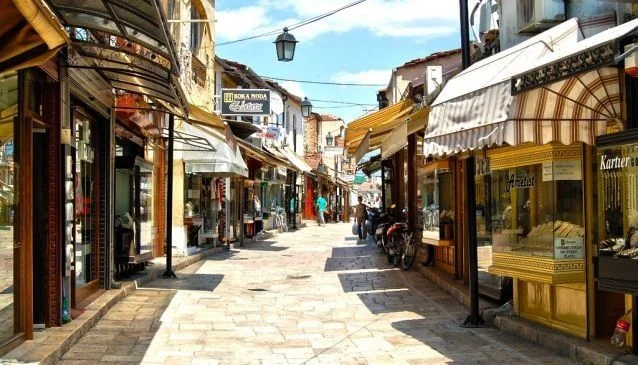
Welcome to the enchanting Old Bazaar of Skopje, where every corner tells stories of a bygone era and the hustle of present-day life. As you step into the maze of cobbled streets, you’re entering one of the largest and best-preserved bazaars in the Balkans, a place that has been a vibrant hub of trade and culture since the 12th century and flourished especially under Ottoman rule. The Ottoman conquest of Macedonia began in the late 14th century as the Ottoman Empire expanded into the Balkans, transforming the region’s cultural, social, and architectural landscape. After the Battle of Maritsa in 1371, where Ottoman forces defeated the Serbian-led Balkan coalition, Ottoman influence grew steadily across the region. By the end of the 14th century, Macedonia was largely under Ottoman control, with Skopje officially falling into Ottoman hands around 1392. During the Ottoman period, from the 15th to the early 20th century, Skopje’s Old Bazaar became the city’s commercial and social center. The Ottomans built mosques, hammams (bathhouses), and caravanserais (inns for travelers), making it a thriving marketplace and gathering place for merchants, craftsmen, and travelers from across the empire. Ottoman architecture still graces the area, blending with traces of Byzantine structures, creating an architectural tapestry unique to Skopje.
The Old Bazaar hums with life, colors, and aromas. Traditional shops, known as dućans, line the narrow streets, filled with artisans working with leather, silver, and copper. Their tools create a rhythmic clinking sound, as generations-old techniques are used to make intricate jewelry, pottery, and handcrafted souvenirs. Smell the scents of roasted coffee, freshly baked burek, and Turkish sweets like baklava that waft through the air from the local cafes and bakeries, inviting you to stop, taste, and take in the Bazaar’s rich atmosphere. Take the time to explore artisan shops and galleries that feature everything from antiques to contemporary artwork. Try traditional foods at one of the many kafanas (local eateries), where you can enjoy a hearty meal of grilled meats, salads, and Turkish coffee served in copper pots. If you’re lucky, you might even catch a live performance of traditional Macedonian music in one of the nearby squares or restaurants.
While you are wandering through the streets here, make a stop and close your eyes. Listen to the heartbeat of this place and let your imagination be absorbed by the atmosphere of the Bazaar.
41.99938, 21.43565